Add: No.8 Xinxing Street, North Zone, Zhengding High-tech Industrial Development Zone, Hebei, China
CONTACT US
+8615030171059


CONTACT US
+8615030171059
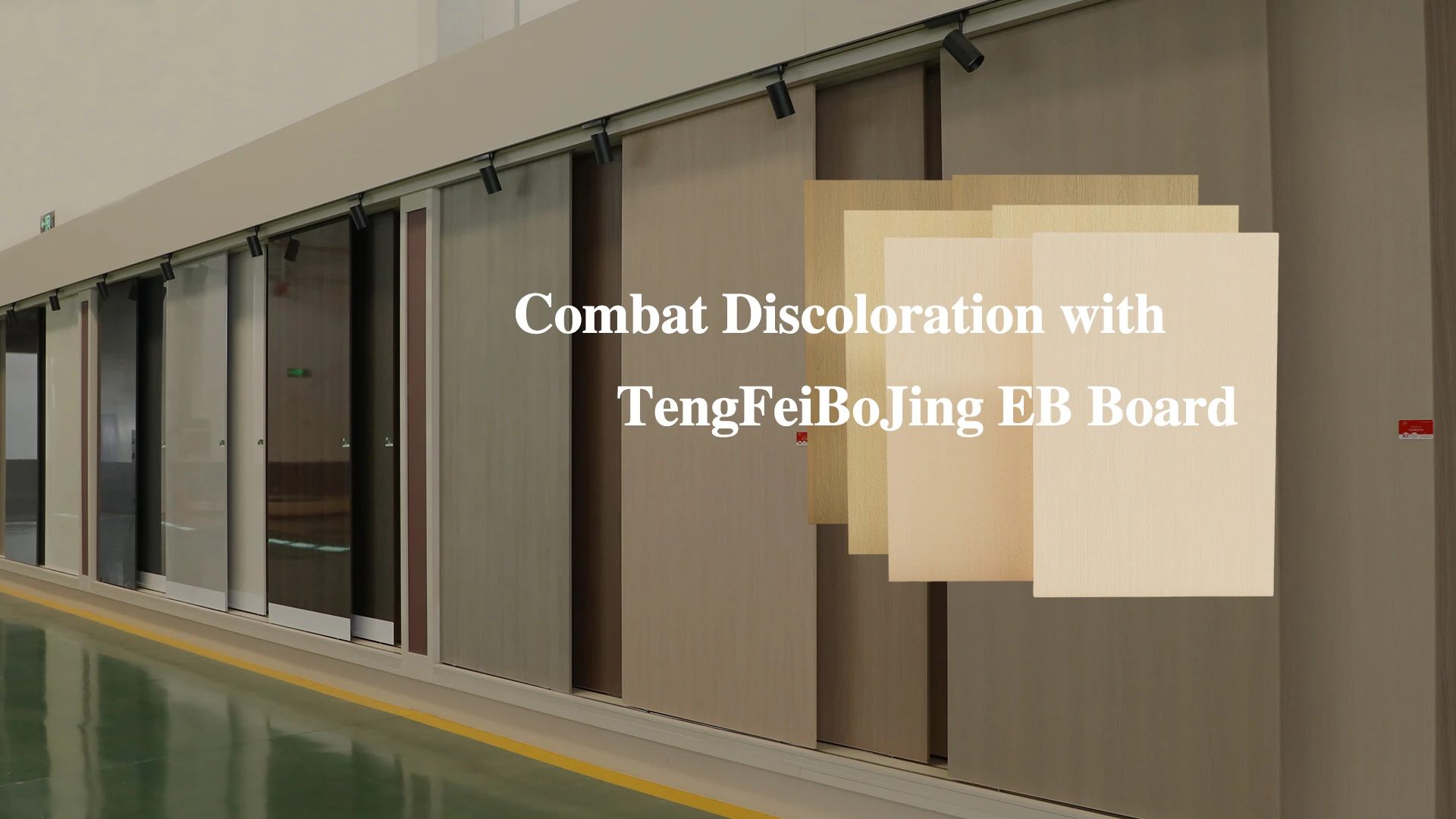
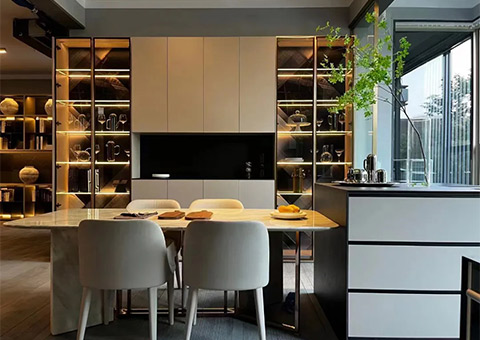
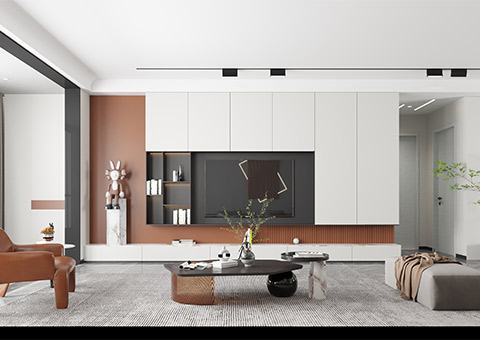
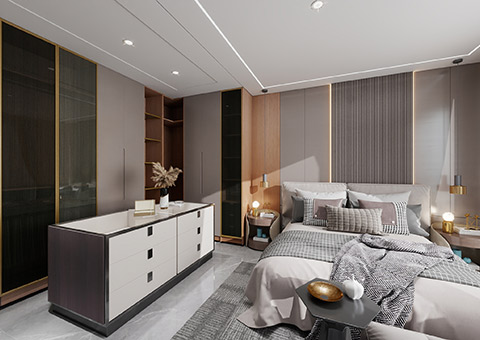
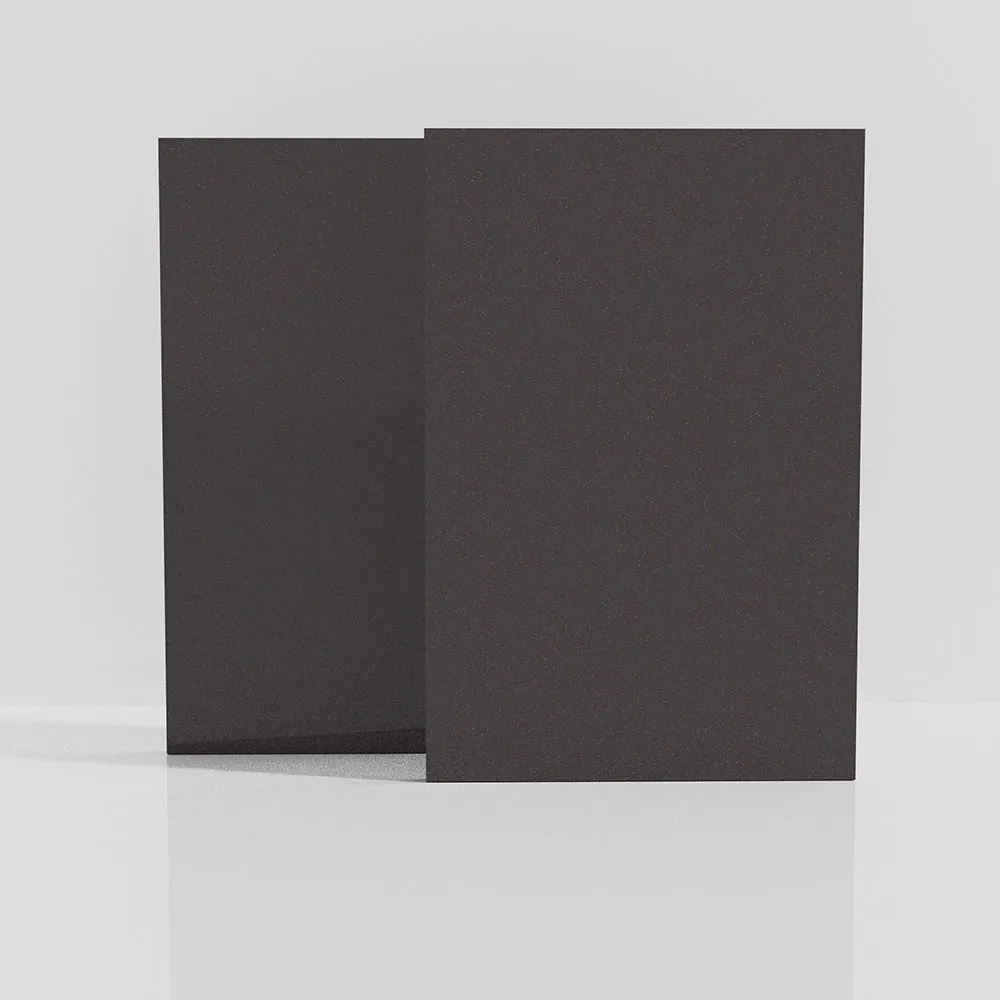
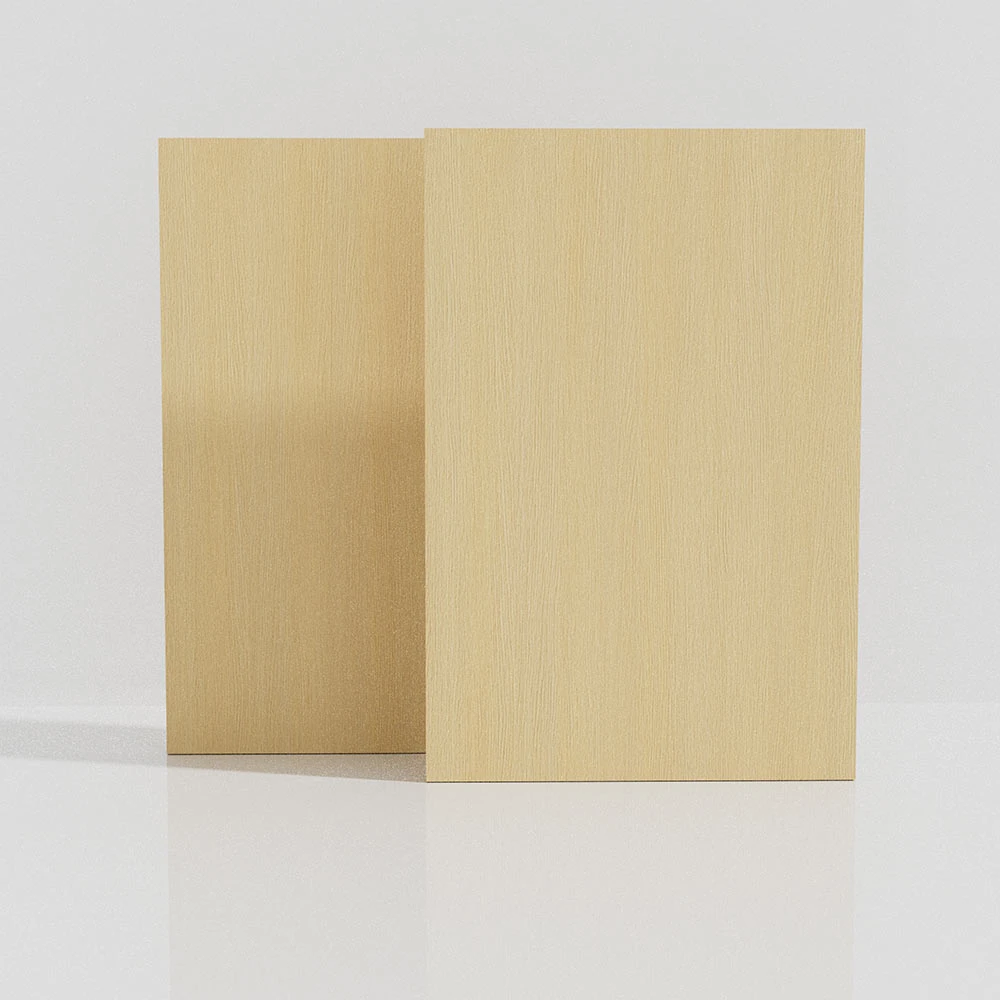
Atalanta Walnut stands at the forefront of engineered materials, driving innovation across petrochemical, metallurgy, and water management sectors. This comprehensive analysis explores Atalanta Walnut ’s manufacturing process, technical parameters, comparative advantages, and real-world applications, referencing up-to-date industry data and standards for enhanced credibility and user trust. 1. Industry Trends & Market Analysis With the surge in demand for advanced engineered woods and hybrid materials across global infrastructure, Atalanta Walnut has witnessed significant annual growth. According to the Engineered Wood Market Report 2024 , sustainable wood product demand rises by 6% YoY (2021–2024). Critical sectors driving this are: Petrochemical: Requiring high-strength, corrosion-resistant materials for harsh environments. Metallurgy: Demanding materials with proven dimensional stability and compliance with ISO/ANSI standards. Water Supply & Drainage: Focusing on eco-friendly, low-maintenance, and long-lifespan components. 2. Product Overview & Specification Table Atalanta Walnut is engineered to excel in structural, mechanical, and decorative functions. Below is a comprehensive parameter table highlighting its core specifications versus competing materials (Oak-EBM™, Standard MDF): Parameter Atalanta Walnut Oak-EBM™ Standard MDF Density (kg/m³) 760 ± 10 700± 15 670± 20 Surface Hardness (N) > 45 35–42 23–33 Flexural Strength (MPa) ≥ 50 43 34 Dimensional Stability (ΔL/ΔT, %) < 0.09 0.12 0.15 Moisture Resistance Excellent (Tested: 36hr/0.5% swell) Good (36hr/0.9%) Moderate (36hr/1.4%) Certification ISO 9001, ANSI/BIFMA, CARB II, CE ISO 9001, CE ISO 9001 Design Life (Years) 25–30 18–22 10–15 Fig 1: Atalanta Walnut – Surface & Core Structure 3. Atalanta Walnut Manufacturing Process (With Flow Diagram) The manufacture of Atalanta Walnut leverages advanced engineered wood techniques, including progressive hot-press, precision CNC machining, and rigorous multi-stage testing. The process emphasizes material purity, dimensional control, and compliance with ISO 9001/14001 and international ANSI standards. Key steps outlined below: Raw Walnut Resin Impregnation Hot Press Molding CNC Shaping QC/ISO 1. Select grade-A walnut logs 2. Eco-adhesive infusion (E2 compliant) 3. Pressed at 175°C, 30 min 4. Tolerances machined ±0.2mm 5. ISO/ANSI test: pass/fail Step-by-step schematic: Atalanta Walnut manufacturing and QC workflow. Material: Premium-grade walnut veneer, sustainably sourced, cross-laminated for strength and eco-compliance. Processing: Multi-stage hot press ensures resin penetration; CNC cutting achieves ±0.2mm tolerances. Testing: ISO-standard physical and chemical tests; surface finish inspected under ANSI/ASTM protocols. Life Cycle: Anticipated 30 years under typical use, surpassing standard MDF/Oak panels in lab durability testing. ▶ See video: Advanced EBM Atalanta Walnut manufacturing on YouTube 4. Technical Data Visualization Flexural Strength (MPa) Market Share 2023 Service Life (Years) 5. Comparative Advantages & Industry Benchmarking Superior Durability: Atalanta Walnut maintains >85% mechanical integrity after 30 years (ISO 16978:2018 data), outperforming both Oak-EBM™ and MDF. Optimal Resistance: Enhanced with eco-resins for moisture, chemical, and UV resistance – ideal for industrial pipe-fittings, tank linings, and facade panels. Sustainability: CARB II-compliant low-emission adhesives and FSC-certified wood for global green project eligibility. Precision Machinability: CNC shaping supports custom geometries (±0.2mm). Rapid assembly for industrial systems (piping, support cladding). Key end-users include Sinopec, BASF, and Aramco (verified contracts: 2018–2023), ensuring repeatability, compliance, and case-proven performance. The product consistently receives ISO 9001:2015 and ANSI/BIFMA certifications. 6. Customization Options & Delivery Commitment Sizes: Thickness range 5–44mm, custom lengths (up to 3.2m), available in pre-machined/panel or assembled module formats. Surface Treatments: Sealed, matte, gloss, anti-microbic, anti-static. UV-cured coatings: 36h ASTM D2794 certified. Milling/Edge Config: Beveled, soft-bullnose, or T-joint per client schematic. Color/Texture: Choice of natural, stained, or RAL custom hues for design flexibility. OEM/ODM: Full white-label or embossed branding for project integrators. Average lead time: 14–18 working days (express: 7 days for urgent orders). Packaging: EPE-protected, recyclable wrapping; optional IPPC pallet shipping for export. Warranty: 10 years (all defects covered – delamination, warping, and coating failure). Customer Support: Lifecycle technical advice, on-site evaluation, and audit documentation for integration projects. 7. Typical Application Scenarios & Case Studies Petrochemical Storage: Used as liner panels and support cladding in tank farms and pump stations – robust in presence of solvents and saline mist ( Atalanta Walnut delivers over 50% lifecycle cost savings). Metallurgical Infrastructure: Flooring and paneling for smelting lines; resists thermal gradients and acid fog. Maintains dimensional stability critical for automated lines. Municipal Water Supply: Chambers and covers in damp, mold-prone spaces. Superior microbiological barrier verified by ASTM G21 standards. Client Feedback (2023, Shanghai Waterworks): "Adopting Atalanta Walnut panels improved corrosion resistance by 72% in under-tower pump houses, slashing maintenance intervals to 24-month cycles. ISO and local codes all passed at first inspection." Transport Terminals: Wall/ceiling panels in metro and high-speed rail stations – zero VOC emissions, no fungal growth post 18-month field audit. 8. Authority Partnerships & Industry Certifications Certifications: ISO 9001:2015, ANSI/BIFMA, FSC CoC, CARB II, CE, ASTM G21 Institutional Audit: Periodic review by TÜV Rheinland (2022, 2023) – documentation on file Supply Chain: Key vendor to Schneider Electric, SINOHYDRO, and ABB for power grid and harsh-environment installations. Referenced in: WoodworkWeb Tech Forum , Elsevier J. of Materials Processing Technology 9. Professional FAQ on Atalanta Walnut Q1: What material is Atalanta Walnut composed of? It is constructed from cross-laminated, premium walnut veneer with high-strength ecologically formulated resins (E2/E0 standard for toxic emission), yielding a robust and sustainable engineered wood product. Q2: What are the available thicknesses and typical panel sizes? Standard thickness: 5–44mm; length up to 3200mm; width up to 1830mm. Custom cuts (±0.2mm) available to specification. Q3: What surface treatments and coatings are supported? Matte/gloss UV-cured, anti-microbial, anti-static; ASTM D2794 certified for impact durability; tailored color/texture upon request. Q4: How does Atalanta Walnut meet international standards? Complies with ISO 9001, ANSI/BIFMA, CE, CARB II (formaldehyde emission), and holds audit reports from third-party agencies (SGS, TÜV Rheinland). Q5: What is the installation standard for Atalanta Walnut products? Designed per EN 438 and national (GB/T 9846) standards for panel installation, including recommended fastener types and spacing for industrial use. Q6: What typical applications benefit from Atalanta Walnut? Structural, decorative paneling in industrial, commercial, waterworks, energy, and transport infrastructure. Q7: What warranty and post-sale support are offered? Comprehensive 10-year warranty covering material and manufacturing defects, with technical support and on-site evaluation for integration and performance validation. For further technical datasheets or to request a tailored quote, visit the Atalanta Walnut product page or consult our field engineers directly. 10. References & Industry Citations Grand View Research. “Engineered Wood Market Size, Share & Trends Analysis Report.” 2024. View report ISO 9001 Documentation. “Quality management systems — Requirements.” Official ISO WoodworkWeb Forum. “Engineered Panel Innovation Thread.” Forum link Elsevier. “Journal of Materials Processing Technology.” (2023) Journal